Hatha Yoga, Yin Yoga Or Meditation? How To Choose the Right Yoga Class in Madrid
If you've ever looked at a yoga timetable and wondered which class to choose, you're not alone.
One of the questions I hear most often from new students is:
"What's the difference between Hatha Yoga, Yin Yoga and Meditation?"
Many people assume yoga is one thing, but classes can feel very different depending on the style, pace and focus.
Some classes are more active and movement-based. Others are slower and designed to help you unwind. Some involve very little movement at all.
The good news is that there isn't a right or wrong choice. It simply depends on what you're looking for right now and what you might like.
Whether you're completely new to yoga or looking for classes in Madrid, here's a simple guide to help you decide.
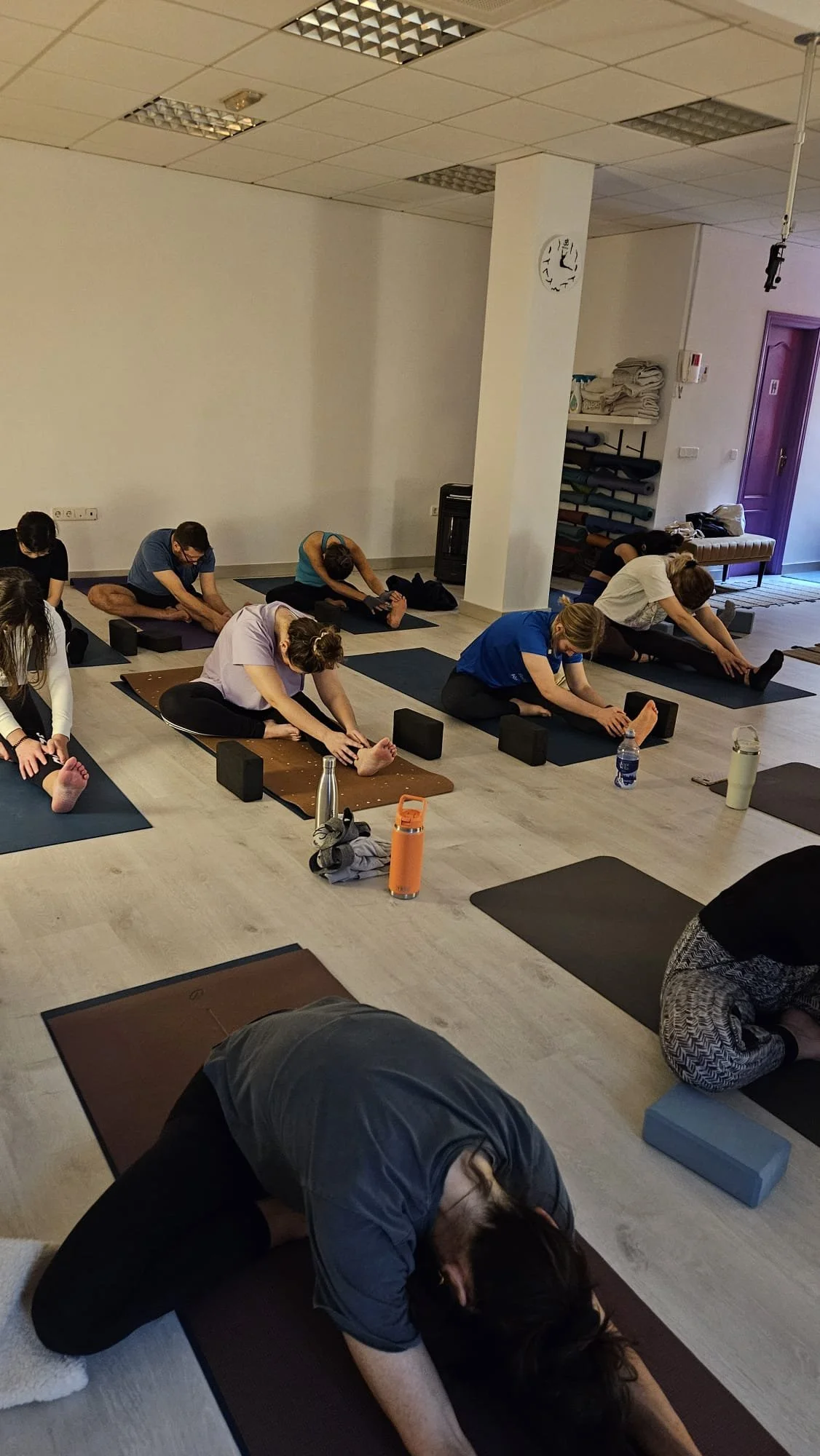
Hatha Yoga in Central Madrid
What Is Hatha Yoga?
Hatha Yoga is often considered the foundation of many modern yoga styles.
In a typical Hatha class, you'll move through a series of postures while connecting movement with your breath. Classes often include gentle warm-ups, sun salutations, a mixture of standing poses, balance work, gentle strengthening, stretching and relaxation.
In my own classes, Hatha Yoga tends to attract people who spend long hours sitting at desks, feel mentally busy or simply want to move their bodies in a way that feels supportive rather than exhausting. Some classes are a bit faster (like more “vinyasa” style) but others are more classic hatha with steady poses held for 3-5 breaths.
You don't need to be flexible, fit or able to touch your toes, despite what you might see on social media. Yoga isn't a performance. A class is an opportunity to explore how movement, breath and awareness feel in your own body.
Many students tell me they leave feeling both more energised and more grounded than when they arrived.
Hatha Yoga may be a good fit if:
You're new to yoga
You want to improve strength, balance and mobility
You spend a lot of time sitting
You enjoy movement but don't want an intense workout
You're looking for a balanced practice
What Is Yin Yoga?
Yin Yoga is a much slower style of yoga.
Rather than moving frequently between postures, you'll stay in each pose for several minutes. The focus is on allowing the body to gradually soften and release, working with the connective tissues of the body (often referred to as fascia), rather than stretch deeply through force.
Many people are surprised by Yin Yoga.
From the outside it can look easy because there is less movement. In reality, slowing down and staying still can sometimes feel more challenging than moving. It is like a meditation in different poses.
Yin Yoga can be particularly helpful if you have a busy lifestyle and rarely give yourself permission to pause.
It's also a useful complement to more active forms of exercise such as running, cycling, strength training or dynamic yoga practices and can help to improve flexibility.
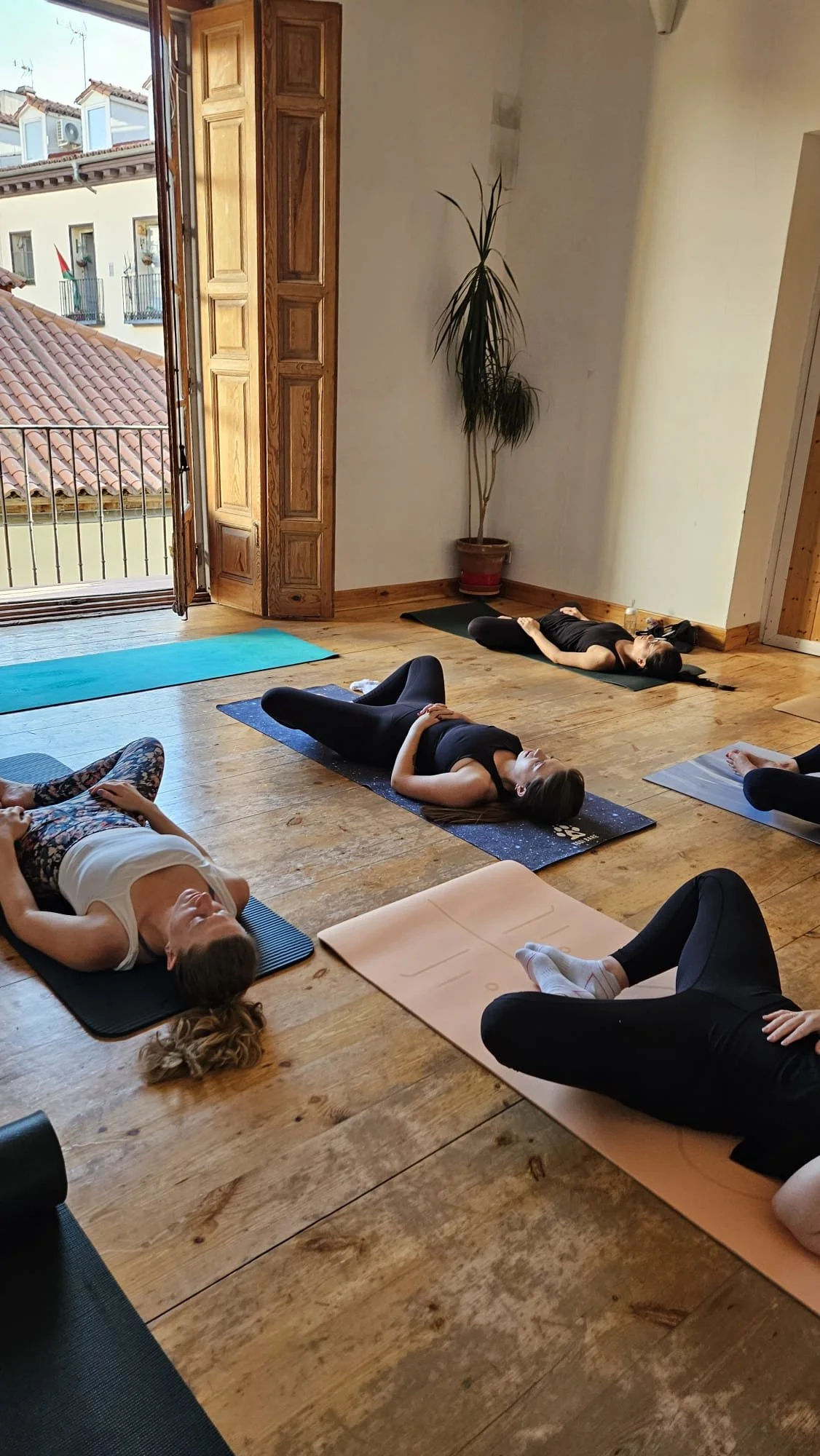
Yin yoga class
Yin Yoga may be a good fit if:
You often feel stressed or overwhelmed
Your body feels tight from exercise or desk work
You struggle to slow down
You want to improve mobility and flexibility
You're looking for a calmer slower practice
What About Meditation?
Meditation is often misunderstood.
Many people think meditation means emptying your mind or stopping your thoughts.
In reality, meditation is more about learning how to observe what's happening without immediately reacting to it.
Some days that might mean noticing your breath.
Other days it might mean noticing how busy your mind feels.
I've found that meditation can be one of the most valuable practices people develop: not because it makes life stress-free, but because it helps us respond differently when stress appears. It doesn’t always have to be a sit-down practice; it can also be walking, through yoga poses or any everyday task.
Like any skill, it becomes easier with practice.
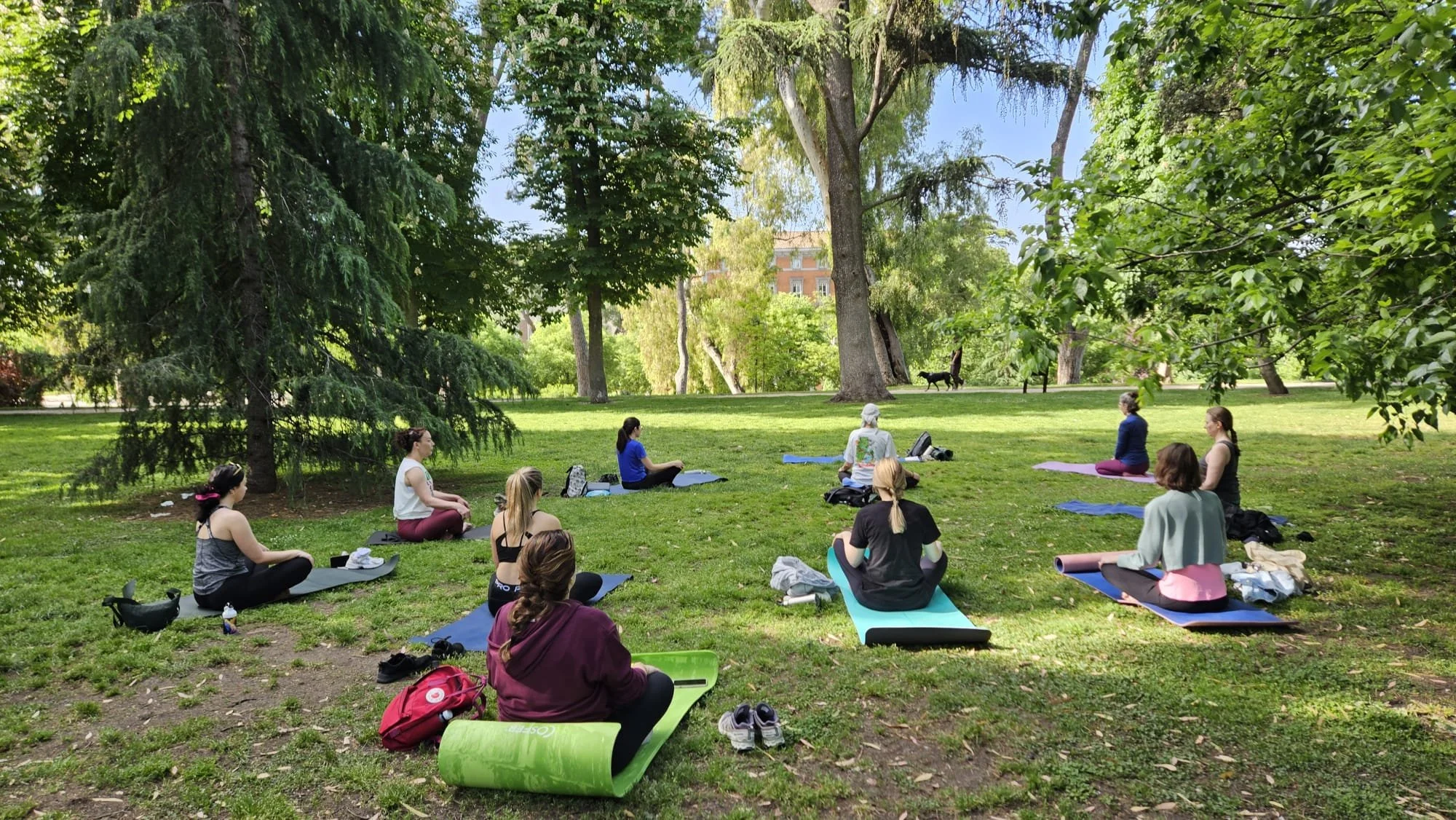
Meditation at the start of a yoga class
Meditation may be a good fit if:
You struggle to switch off mentally
You experience stress or anxiety
You want to improve focus and concentration
You feel constantly busy
You're curious about mindfulness
Which Yoga Class Is Right for You?
If you're still unsure, here's a simple guide.
Choose Hatha Yoga if:
You want movement, stretching and a well-rounded practice.
Choose Yin Yoga if:
You need to slow down and create space in your week.
Choose Meditation if:
Your biggest challenge can often be what's happening in your mind rather than your body.
Of course, many people enjoy a combination of all three.
In fact, some of the students who attend my classes regularly practise Hatha Yoga for movement and strength, Yin Yoga for recovery and meditation is integrated in our classes for mental clarity.
How often you practise, and how you combine different styles, can depend on your schedule and what you need from your practice. Read more about how often to practise yoga as a beginner.
Do You Need To Be Flexible To Start Yoga?
Absolutely not.
This is probably the biggest myth that prevents people from trying yoga.
Flexibility is not a requirement for yoga.
It's something that may improve over time, just as strength, balance and body awareness can improve over time.
Some of the people who benefit most from yoga are those who arrive feeling stiff, stressed and convinced they're "not a yoga person." You can find more about whether you need to be flexible to start yoga here.
Isn't Yoga More Than Physical Postures?
One thing worth mentioning is that yoga is about much more than stretching or improving flexibility.
While physical postures (asana) are often what bring people to class, traditional yoga also includes breathing practices, meditation and philosophy.
In my classes, we often explore simple themes from yoga philosophy and consider how they apply to everyday life. Sometimes this might be contentment (Santosha), non-harming (Ahimsa) or finding balance rather than always pushing harder. Find out more about why I include yoga philosophy in my classes here.
You don't need to know anything about yoga philosophy to attend a class, but many students find these ideas are what keep them coming back long after they've learned the physical poses.
For me, yoga isn't about performing shapes. It's about learning skills that help us navigate daily life with a little more awareness, balance and ease, and that’s something we regularly explore in my yoga classes in Madrid.
Finding the Right Yoga Class in Madrid
The best yoga class isn't necessarily the most popular, the most advanced or the most challenging.
It's the one that helps you feel better and supports what you need right now. Here’s more on what to expect from your first class.
If you're looking for yoga classes in Madrid, I teach Hatha Yoga, Yin Yoga and Meditation in English in both studio and outdoor settings. Classes are welcoming, accessible and suitable for a range of experience levels. You can read more on the benefits of practising in English here.
The easiest way to find out whether a class is right for you is simply to come and try one.
We meet weekly in studios across central Madrid and in Retiro Park during the warmer months for hatha yoga, yin yoga and meditation. Alongside the yoga itself, many people stay for coffee after class every week, and we also have regular picnics, brunches, socials and annual retreats , making it a great way to meet like-minded people and build community in the city.
If you're looking for yoga classes in Madrid that combine movement, mindfulness and community, I'd love to welcome you to a class.